Why UK Casino Game Designers Rely on Behavioural Psychology
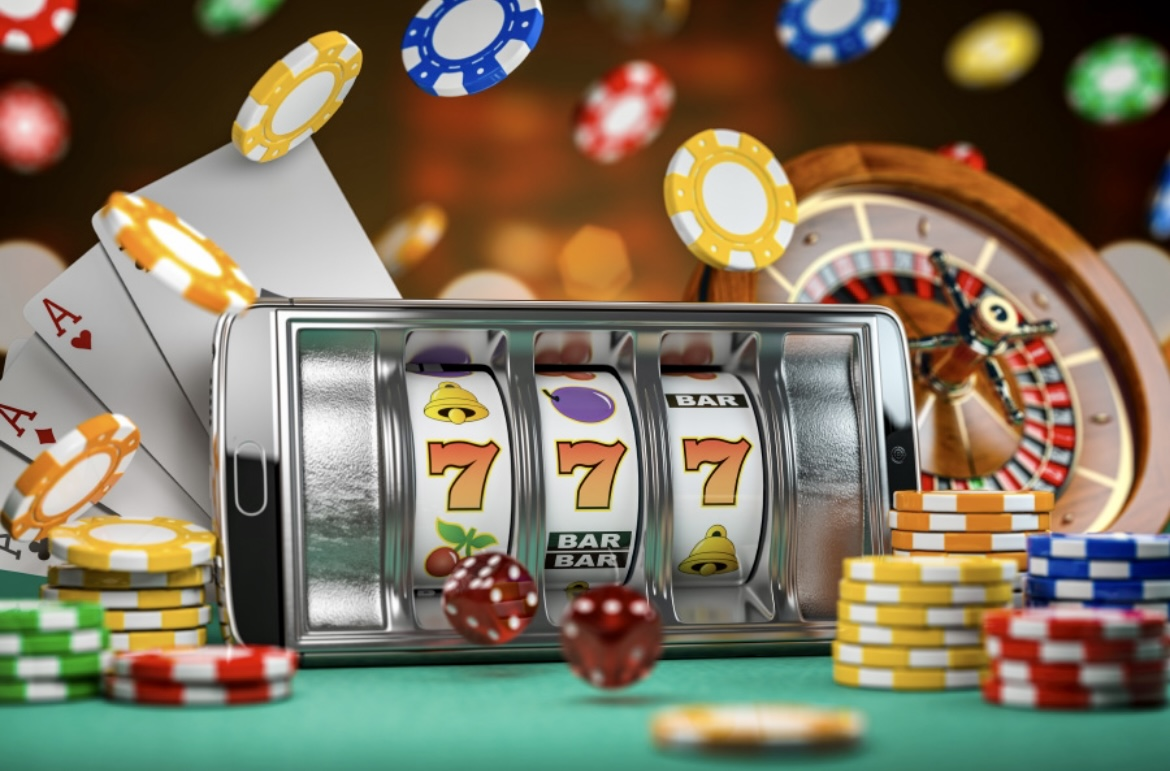
Behind every spin and slot machine sound is a meticulously crafted psychological blueprint designed to keep UK players engaged. This isn’t accidental; it’s the result of a multi-billion-pound industry applying decades of behavioural science research to game mechanics. For the ‘Adapt Project UK’, understanding this science is crucial to analysing how British players adapt their behaviour in response to these deliberately engineered environments, both online and in venues like the ubiquitous Grosvenor Casino. This blog delves into the core principles that make UK slot games so compelling, examining the intersection of UK player behaviour science and intentional design.
The UK’s Unique Gaming Landscape and the Psychology Mandate
The British gambling market is one of the most saturated and competitive in the world, governed by the strict oversight of The UK Gambling Commission (UKGC) which regulates all commercial gambling in Great Britain. This combination of fierce competition and tight regulation creates a unique pressure cooker where game designers must use every tool at their disposal—chief among them, behavioural psychology—to stand out and retain players.
A Crowded Market Demands Smarter Design
Walk down any British high street and you’ll see betting shops from William Hill, Ladbrokes, and Paddy Power. Online, the choice is even more overwhelming. With hundreds of new slots released monthly, simply having a game is not enough. Designers must engineer experiences that tap into fundamental human psychology to create habit-forming loops, ensuring players return to their game over a competitor’s. The goal is to build a loyal player base through subconscious conditioning, not just chance.
Regulation Pushes Innovation, Not Restriction
While the UKGC imposes crucial player protection measures, its rules on game fairness and randomness have paradoxically fuelled psychological innovation. Designers cannot rig the core random number generator, so instead, they innovate around the edges: in bonus structures, audiovisual feedback, and meta-game features. This has led to a sophisticated arms race in behavioural adaptation casinos employ, using legal psychological tactics to maximise ‘time on device’ and engagement within the regulatory framework.
Core Psychological Principles in British Slot Design
Beneath the colourful themes of British slots lie timeless psychological principles, expertly adapted for the digital age. UK developers like Blueprint Gaming and Playtech are masters at weaving these principles into their games, creating powerful engines for player engagement.
Variable Rewards and the Skinner Box Legacy
The most powerful tool in a game designer’s arsenal is the variable ratio reinforcement schedule. Pioneered by B.F. Skinner, it describes rewarding behaviour at unpredictable intervals. In slots, this is the ‘just one more go’ effect. Players never know if the next spin will trigger a bonus, a big win, or nothing, making the action inherently compelling. The potential for a large reward, however slim, is enough to maintain persistent play, a cornerstone of slot game psychology UK research focuses on.
Losses Disguised as Wins (LDWs) and Near Misses
Two particularly potent concepts are ‘near misses’ and ‘Losses Disguised as Wins’ (LDWs). A near miss—where the reels stop just short of a jackpot—tricks the brain into perceiving a loss as almost a win, increasing motivation to continue. More insidiously, the term ‘losses disguised as wins’ (LDWs) refers to spins where players win back less than their original stake but are treated to celebratory feedback. You bet £1, win 20p, and the machine lights up with sounds and animations. This positive feedback for a net loss dangerously distorts the player’s perception of success, encouraging further play despite dwindling funds.
Sensory Engineering: Lights, Sounds, and UK Player Immersion
The psychological manipulation extends far beyond the mathematical model. A slot game is a full-sensory experience calibrated to induce a hypnotic flow state, reducing a player’s awareness of time and money spent.
The Sonic Lure of the Reel Spin
Sound design is critical. The satisfying clunk of virtual reels, the rising musical tension as they spin, and the explosive celebratory jingles for a win are all meticulously crafted. Iconic UK games like ‘Rainbow Riches’ by Barcrest are instantly recognisable by their soundscapes, which become auditory triggers for players. These sounds create a powerful association between the action (spinning) and potential reward, making the experience feel more exciting and substantive than a silent transaction of money.
Visual Overload and Thematic Immersion
Modern video slots are feasts of visual stimulation. Flashing lights, cascading symbols, and animated sequences bombard the player, keeping attention locked on the screen. Themes range from ancient Egypt to popular TV shows, creating a narrative wrapper that fosters emotional connection. This immersion is a key part of behavioural adaptation; players aren’t just betting, they’re embarking on a mini-adventure, which makes disengaging psychologically harder.
The Illusion of Control and Player-Centric Features
To combat the passive perception of pure luck, modern slot design heavily incorporates features that give players a false sense of agency and skill. This ‘illusion of control’ is a powerful motivator, making players feel like active participants rather than passive observers.
Interactive Buttons and Decision Points
Features like manual ‘stop’ buttons (though they don’t affect the predetermined outcome) or ‘gamble’ features where players can risk a win for a double-or-nothing minigame, create decision points. These micro-interactions foster the belief that the player’s choice influences the result, deepening engagement. This tactic is prevalent in games featured at brands like Grosvenor Casino, both online and on the high street.
Bonus Rounds and Narrative Engagement
Bonus rounds are the pinnacle of this design philosophy. Developers like Blueprint Gaming, a major supplier, is known for its complex bonus round mechanics designed to extend play. These rounds often involve interactive elements—picking objects, spinning wheels, or simple skill-based tasks—wrapped in a narrative. This segment of the game feels like a reward and a break from the base game, yet it’s often where the most potent reinforcement schedules and biggest potential wins are hidden, expertly blending chance with the perception of skill.
Ethical Considerations and the Future of UK Design
As the UK player behaviour science field grows, so does scrutiny on these design practices. The ethical debate centres on how far psychological manipulation should go in a leisure activity that carries risk of harm.
The Safer Gambling Imperative
The UKGC is increasingly focusing on ‘safer by design’ principles. This has led to bans on features that accelerate play or misrepresent odds, such as ‘slam-stop’ buttons that made reels spin faster. Mandatory tools are now integrated, including:
- Reality checks (time and money spent pop-ups)
- Accessible deposit limits
- Streamlined self-exclusion
- Clearer display of bet size and total staked
The challenge is integrating these protective breaks without completely neutering the engaging elements players seek.
Where Does Responsible Innovation Go From Here?
The future of UK game design lies in balancing innovation with responsibility. This could involve:
- Transparent Metrics: Clearly displaying actual Return to Player (RTP) and odds of triggering bonuses.
- Neutral Design: Reducing the celebratory feedback for LDWs and implementing longer, mandatory cool-off periods between bonus buys.
- Player-Centric Tools: Developing more sophisticated AI-driven play monitoring that can spot risky behaviour patterns and suggest breaks proactively.
The industry’s sustainability depends on evolving from pure engagement-maximisation to a model that prioritises sustainable, informed player choice.
For UK players, understanding that their gaming experience is a product of deliberate psychological architecture is the first step towards mindful engagement. Recognising the ‘why’ behind the urge to spin again—be it the variable reward schedule, the sensory feedback, or the illusion of control—empowers individuals to make more conscious choices. The science of adaptation is a two-way street; as designers adapt games to player psychology, players too can adapt their behaviour through awareness, utilising the available safer gambling tools to ensure their play remains a controlled form of entertainment.